Senior housing is moving from a specialized real estate niche toward a much more established institutional investment category. In 2026, investors are responding to a combination of demographic growth, improving occupancy, constrained construction, stronger transaction activity, and better operating performance. JLL reported that 86% of surveyed investors planned to increase their seniors housing exposure in 2026, while only 4% planned to reduce it.
This shift is important because institutional capital typically requires strong evidence before increasing allocations to a property sector. Senior housing is increasingly providing that evidence through measurable demand, improving fundamentals, and a growing investment track record.
For investors evaluating senior housing allocations, the opportunity is not simply about an aging population. It is about how demographics, supply constraints, operating performance, and capital market conditions are combining to create a compelling long term investment case.
Demographics remain one of the strongest reasons institutional investors are increasing senior housing allocations. JLL projects that the U.S. population aged 80 and older will increase by 36.6% over the next decade, compared with approximately 5% growth for the overall population. More than 10,000 Americans are also reaching age 65 each day.
The importance of this trend becomes clearer when looking at the typical senior housing resident. Demand for independent living, assisted living, and memory care tends to increase as older adults move into different stages of retirement and care needs.
Unlike some commercial real estate sectors that depend heavily on employment trends, consumer spending, or business expansion, senior housing benefits from a demographic pipeline that can be measured years in advance. That predictability is particularly valuable for institutional investors seeking long duration investment opportunities.
Demand alone does not make an investment thesis attractive. The supply side matters just as much. Senior housing development has remained constrained because of higher construction costs, financing challenges, labor pressures, and difficulty securing development capital. NIC reports that construction activity is at historically low levels, while senior housing occupancy has continued to strengthen.
National senior housing occupancy across 31 primary markets reached 89.5% in the first quarter of 2026, according to NIC MAP. At the same time, new construction starts have fallen substantially from previous peaks.
This creates an important investment dynamic. If demand continues growing while new inventory remains limited, existing communities and well positioned new developments can benefit from stronger occupancy and pricing conditions.
Institutional investors do not increase allocations simply because a market has promising demographics. They need evidence that the asset class can produce competitive risk adjusted performance. Recent performance data has strengthened the case for senior housing.
According to NIC and NCREIF data, senior housing produced a 10.6% total return in 2025, more than twice the 4.9% total return of the broader NCREIF Property Index. Senior housing also recorded a 3.3% total return during the fourth quarter of 2025.
The performance was supported by both income and appreciation. Senior housing income return reached 5.57% for the year, while appreciation contributed another 4.81%.
These results help explain why institutional investors are paying closer attention to the sector. Strong performance provides investment committees with measurable evidence that senior housing can compete with other commercial real estate categories.
Liquidity is another major factor behind increasing institutional allocations. JLL reported that rolling four quarter senior housing transaction volume exceeded $24 billion by the end of 2025, reaching its highest level since 2015. JLL also found that 85% of surveyed investors expected senior housing cap rates to decline further over the following 12 months.
NIC reported that total senior housing transaction volume approached $27 billion in 2025, compared with $17.3 billion in 2024. NIC also noted that REITs and public buyers represented 32% of 2025 senior housing transaction volume, up from 24% in 2024.
Greater transaction activity can create a positive feedback loop. More transactions provide better pricing information. Better pricing information improves underwriting confidence. Improved confidence can encourage more institutional participation. As the buyer pool expands, senior housing becomes easier to evaluate within a broader real estate portfolio.
Institutional investors increasingly view senior housing as part of the broader alternative real estate opportunity. NIC notes that alternative property sectors captured 16.2% of total commercial real estate transaction volume in 2025, representing a decade high share. Senior housing is participating in this broader movement toward specialized property sectors with distinct demand drivers.
For portfolio managers, diversification is not simply about owning another property type. It is about gaining exposure to different economic drivers. Senior housing demand is influenced by aging demographics, healthcare needs, household wealth, family structures, care preferences, and local housing availability. These factors can behave differently from the drivers affecting office, traditional retail, or conventional multifamily assets.
That makes senior housing increasingly relevant for portfolios seeking exposure to alternative real estate with long term demographic support.
One of the biggest differences between senior housing and conventional real estate is the importance of operations. Senior housing is not simply a building producing rent. The property operates alongside a service business involving staffing, resident care, food service, programming, compliance, marketing, maintenance, and healthcare related needs.
This means the quality of the operator can directly influence occupancy, revenue, expenses, resident satisfaction, and ultimately net operating income. Institutional investors therefore increasingly evaluate the sponsor and operating platform alongside the physical asset.
Not every senior housing market offers the same opportunity. Institutional investors increasingly look at local fundamentals rather than relying solely on national demographic statistics. Important factors include:
• Growth of the older adult population
• Household income and purchasing power
• Existing senior housing inventory
• Occupancy levels
• Monthly pricing
• Competitive positioning
• Future development pipeline
• Healthcare access
• Land availability
• Local regulatory requirements
• Barriers to new development
Institutional capital is also becoming more selective. Investors are looking beyond occupancy and purchase price to evaluate whether a property has the physical and operational characteristics needed to remain competitive over time.
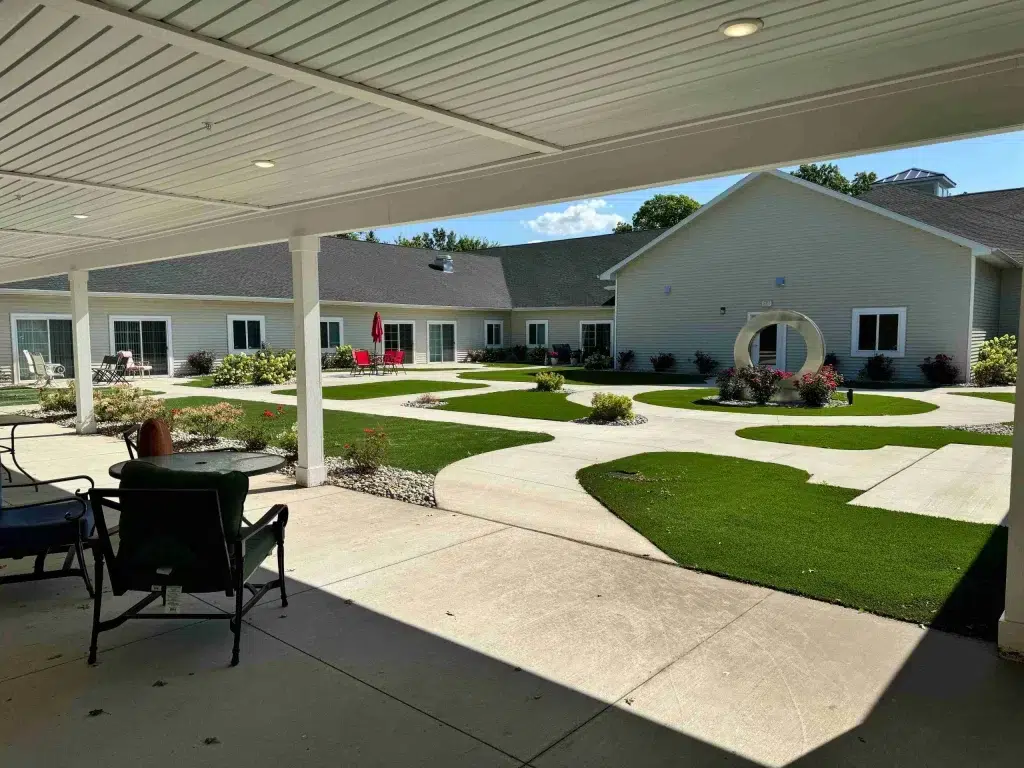
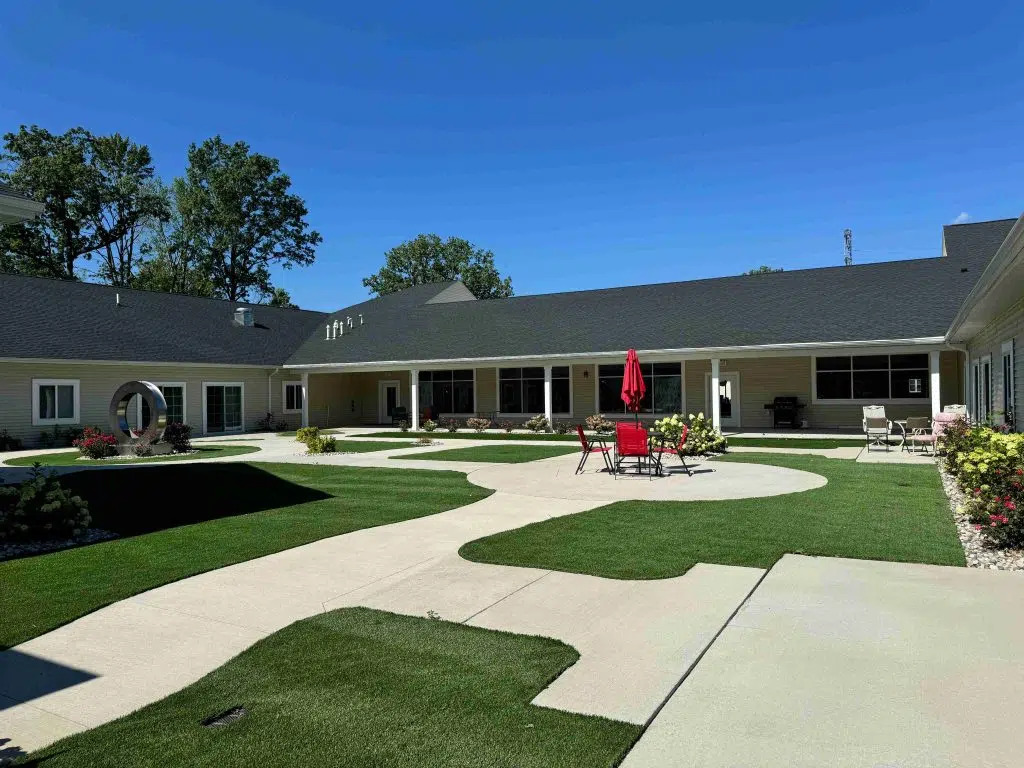
Purpose built senior housing can provide advantages through modern layouts, accessibility, resident amenities, efficient building systems, flexible common areas, and spaces designed around the needs of older adults.
This matters because senior housing is competing not only with other communities but also with aging in place. Communities need to offer an experience and service model compelling enough for residents and families to choose purpose built housing. That makes design an investment consideration rather than simply an architectural decision.
As institutional capital becomes more sophisticated, underwriting is becoming more detailed.
Investors typically want to understand:
• Occupancy and absorption trends
• Revenue growth
• Resident acuity
• Staffing costs
• Labor availability
• Operating margins
• Capital expenditure requirements
• Development costs
• Financing structure
• Local competition
• Regulatory requirements
• Operator experience
• Exit liquidity
• Market supply
• Long term demographic demand
The institutional case for senior housing is becoming broader than a simple demographic growth story. The sector now combines several characteristics investors value: a growing older population, improving occupancy, limited new supply, increasing transaction liquidity, stronger institutional participation, and measurable investment performance.
At the same time, the market still requires specialized expertise. Senior housing involves operational complexity, regulatory requirements, staffing considerations, development risk, and local market differences that cannot always be evaluated using conventional real estate assumptions.
That combination creates an important distinction between simply investing in senior housing and investing well in senior housing. Investors who understand the relationship between demographics, market feasibility, development strategy, operations, and capital structure are better positioned to identify opportunities that can support durable value.
Institutional investment is helping senior housing mature into a more established real estate category, but successful projects still depend on disciplined development, market intelligence, operational expertise, and careful underwriting.
Build Senior Living brings together senior housing development experience, market evaluation, community planning, and operational knowledge to help identify and develop communities aligned with long term demand.